
In recent years, the concepts of upcycling and repurposing furniture have gained significant traction among eco-conscious individuals and DIY enthusiasts alike. We find ourselves increasingly drawn to the idea of transforming old, worn-out pieces into something fresh and functional. Upcycling not only allows us to breathe new life into furniture that might otherwise end up in a landfill, but it also provides an opportunity for us to express our creativity and personal style.
By reimagining these items, we can create unique pieces that tell a story and reflect our values. Moreover, the benefits of upcycling extend beyond aesthetics. It can be a cost-effective solution for furnishing our homes, especially in a world where new furniture can come with a hefty price tag.
By choosing to upcycle, we save money and also contribute to a more sustainable lifestyle. As we start our journey of furniture restoration, we can take pride in knowing that our efforts are making a positive impact on the environment while simultaneously enhancing our living spaces.
Key Takeaways
- Upcycling and repurposing furniture is a sustainable and creative way to give new life to old pieces.
- When choosing a coffee table for upcycling, consider the size, shape, and material to ensure it fits your design vision.
- Properly preparing and sanding the coffee table is crucial for achieving a smooth and professional-looking finish.
- Selecting the right paint or finish for the coffee table depends on the desired aesthetic and the table’s intended use.
- Adding unique touches and accents, such as stenciling or hardware, can personalize the repurposed coffee table and make it stand out.
- When styling the upcycled coffee table in your home, consider the overall decor and use it as a focal point or conversation piece.
- Budget-friendly decor ideas for upcycled furniture include using leftover paint, repurposing materials, and shopping at thrift stores or flea markets.
- In conclusion, remember to have fun with DIY furniture makeovers and don’t be afraid to experiment with different techniques and styles.
Choosing the Right Coffee Table for Upcycling
When it comes to selecting the perfect coffee table for upcycling, we should consider several factors that will influence the final outcome of our project. First and foremost, we need to assess the condition of the table. A sturdy base is essential; we want to ensure that the piece can withstand the test of time after our renovations.
Look for tables with solid wood construction or those that have minimal damage, as these will provide a better foundation for our creative endeavors. Next, we should think about the style and shape of the coffee table. Do we envision a modern aesthetic or something more rustic?
The shape can also play a significant role in how we style the table in our living space.
Round tables can create a softer look, while rectangular ones may offer more surface area for decor and functionality. By choosing a coffee table that resonates with our vision, we set ourselves up for success in the upcycling process.
Preparing and Sanding the Coffee Table
Once we’ve selected our coffee table, it’s time to prepare it for its transformation. This step is crucial, as proper preparation will ensure that our paint or finish adheres well and results in a polished final product. We begin by cleaning the table thoroughly to remove any dust, dirt, or grease that may have accumulated over time.
A simple mixture of warm water and mild soap can work wonders in restoring the surface. After cleaning, we move on to sanding the table. This process helps to smooth out any imperfections and creates a better surface for painting or staining.
We should start with a coarser grit sandpaper to remove old finishes or rough spots, then gradually switch to finer grit sandpaper for a smooth finish. As we sand, we must pay attention to the edges and corners, ensuring that every part of the table is prepped for its new look. Once we’ve completed this step, we can wipe down the table with a damp cloth to remove any dust particles before moving on to the next phase.
Choosing the Right Paint or Finish for the Coffee Table
Selecting the right paint or finish is one of the most exciting parts of upcycling our coffee table. The options are virtually limitless, ranging from bold colors to subtle stains that enhance the natural beauty of the wood. When choosing paint, we should consider whether we want a matte, satin, or glossy finish, as each will impart a different character to our piece.
For those who prefer a more natural look, a high-quality wood stain can highlight the grain while providing protection. Additionally, we must think about the functionality of our coffee table. If it will be used frequently, opting for durable finishes like polyurethane or chalk paint can help protect against scratches and spills.
We should also consider eco-friendly options that are low in volatile organic compounds (VOCs), ensuring that our project is as sustainable as possible. By carefully selecting our paint or finish, we can create a stunning centerpiece that complements our home while standing up to everyday use.
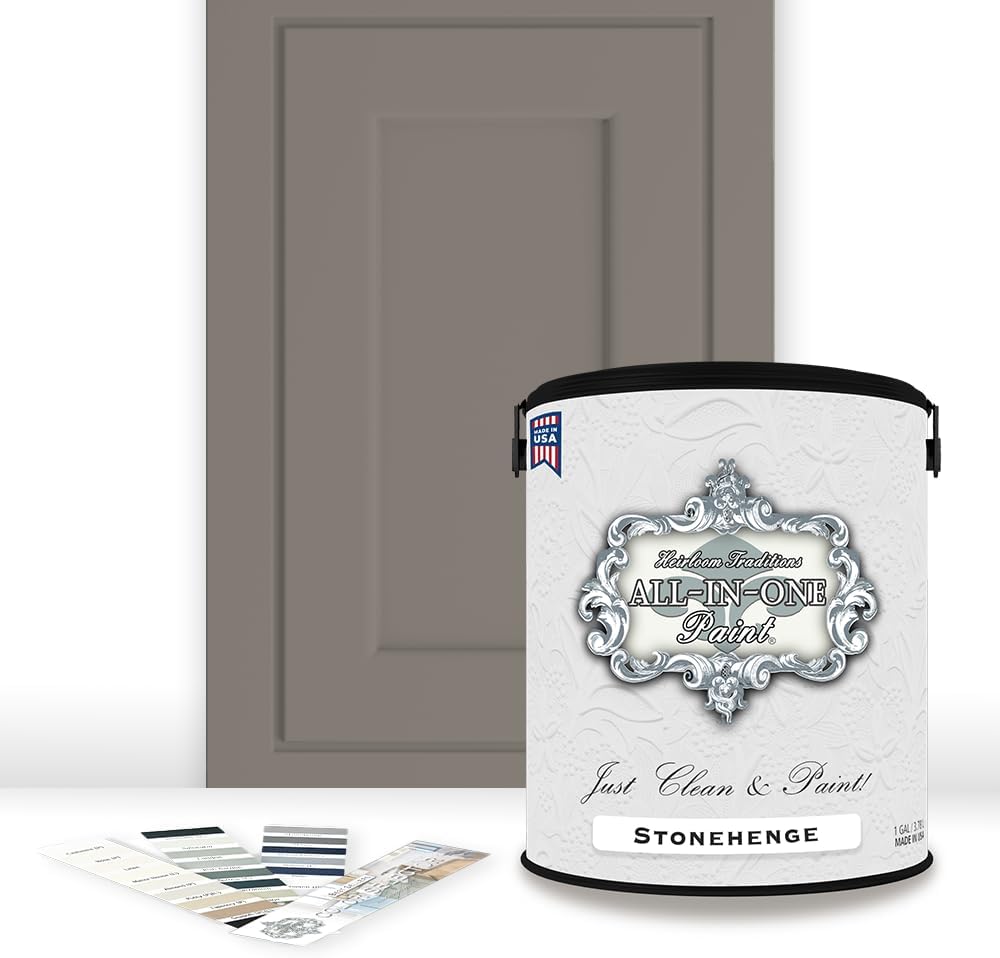
A good quality paint to try is the Stonehenge “All in one”. This top quality paint is an Amazon bestseller and is the perfect cabinet and furniture paint. It has a built in primer and top coat, and no sanding is needed. It makes quick work of any DIY project.
Adding Unique Touches and Accents to the Repurposed Coffee Table
To truly make our upcycled coffee table one-of-a-kind, we can incorporate unique touches and accents that reflect our personal style. This could include adding decorative hardware such as new knobs or handles that enhance its functionality while providing visual interest. We might also consider stenciling designs or patterns onto the surface for an artistic flair that sets our piece apart from store-bought options.
Another way to personalize our coffee table is by incorporating mixed materials. For instance, we could add a glass top for a modern twist or use reclaimed wood for an eclectic look. We might even consider decoupage techniques using fabric or paper to create a stunning visual effect.
By thinking outside the box and experimenting with different elements, we can transform our coffee table into a true statement piece that showcases our creativity.
Tips for Styling and Incorporating the Upcycled Coffee Table into Your Home
Once we’ve completed our upcycling project, it’s time to style and incorporate our newly transformed coffee table into our living space. We should start by considering the overall aesthetic of the room and how our coffee table fits within it. To create a cohesive look, we can choose decor items that complement the colors and materials used in our table’s design.
Layering is key when styling our coffee table; we can use books, trays, and decorative objects to create visual interest while maintaining functionality. For instance, stacking a few coffee table books alongside a small plant or candle can add depth without overwhelming the space. Additionally, incorporating personal items such as family photos or travel souvenirs can make our coffee table feel more inviting and reflective of who we are.
Budget-Friendly Decor Ideas for Upcycled Furniture
One of the most appealing aspects of upcycling furniture is its potential for budget-friendly decor solutions. We can explore various ways to enhance our living space without breaking the bank by utilizing thrifted items or repurposed materials alongside our upcycled coffee table. For example, mismatched chairs from thrift stores can be painted in complementary colors to create an eclectic seating arrangement around our coffee table.
We might also consider creating DIY decor items using leftover materials from our upcycling project.
For instance, scraps of wood can be transformed into coasters or small shelves that tie in with our coffee table’s design.
By being resourceful and creative with what we have on hand, we can achieve a stylish look while staying within budget.
Conclusion and Final Tips for DIY Furniture Makeovers
In conclusion, upcycling and repurposing furniture like coffee tables is not only an enjoyable creative endeavor but also an opportunity to make sustainable choices in our home decor. As we embark on this journey, it’s essential to remember that patience and experimentation are key components of successful DIY projects. We should embrace any challenges that arise along the way as learning experiences that contribute to our growth as crafters.
As we wrap up our furniture makeover journey, let’s keep in mind some final tips: always take your time during preparation and painting processes for optimal results; don’t hesitate to seek inspiration from online platforms or local workshops; and most importantly, have fun! By following these guidelines and infusing our unique style into each project, we can create beautiful pieces that not only enhance our homes but also tell a story of creativity and sustainability.
FAQs
What is upcycling?
Upcycling is the process of taking old or discarded items and repurposing them into something new and useful, often with a focus on sustainability and creativity.
What are some benefits of upcycling old furniture?
Upcycling old furniture helps reduce waste, saves money, and allows for creative expression. It also gives old items a new lease on life and can add a unique touch to your home decor.
What are some tips for upcycling a coffee table?
Some tips for upcycling a coffee table include sanding and repainting or staining the surface, adding new hardware or legs, and incorporating additional elements such as decoupage, stenciling, or mosaic work to give it a fresh look.
How can I ensure the upcycled coffee table is sturdy and functional?
To ensure the upcycled coffee table is sturdy and functional, it’s important to inspect the structural integrity of the piece and make any necessary repairs. Additionally, using high-quality paint, sealants, and adhesives can help prolong the life of the upcycled furniture.
Where can I find inspiration for upcycling projects?
You can find inspiration for upcycling projects from various sources such as DIY blogs, social media platforms like Pinterest and Instagram, home improvement shows, and even by browsing through thrift stores and flea markets for unique pieces to repurpose.