
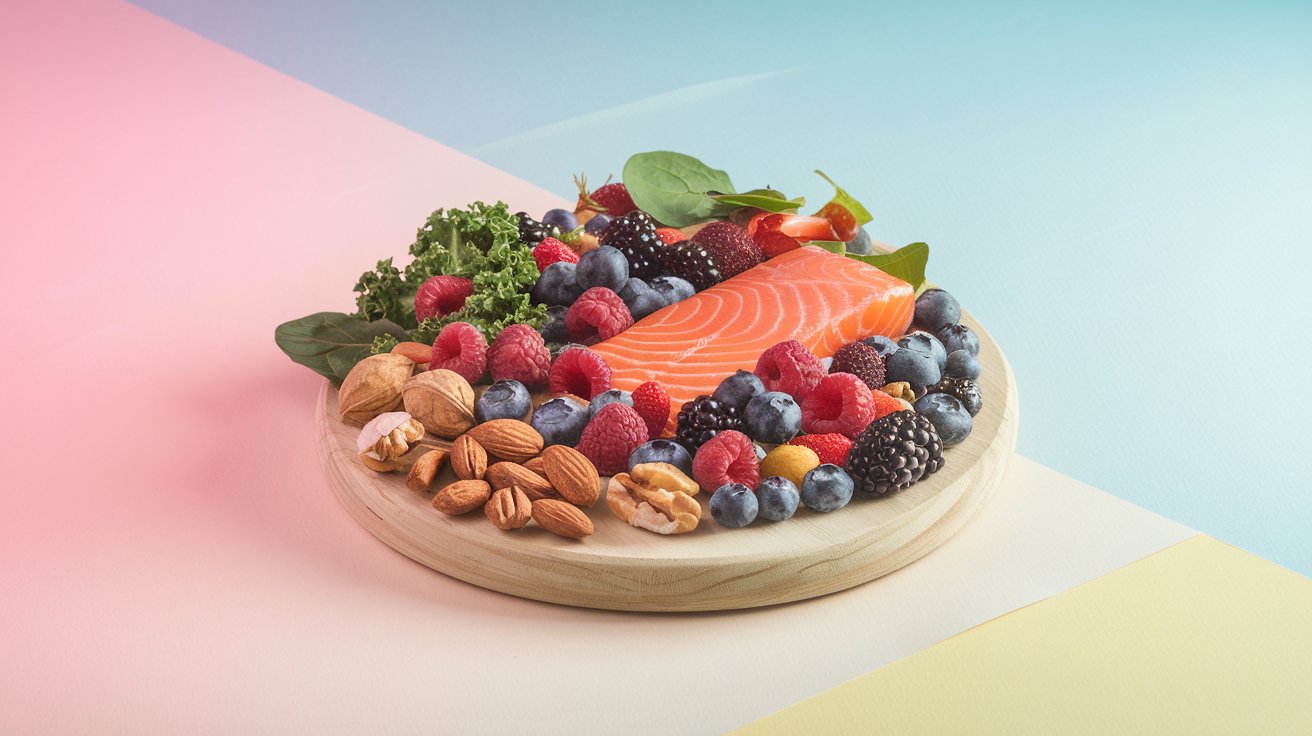
Inflammation is a natural response of your body to injury or infection, acting as a protective mechanism that helps you heal. However, when inflammation becomes chronic, it can lead to a host of health issues, including heart disease, diabetes, and even certain cancers. You may not realize it, but the foods you consume play a significant role in either exacerbating or alleviating this inflammatory response.
Understanding the connection between inflammation and your diet is crucial for maintaining optimal health and preventing chronic diseases. Chronic inflammation can manifest in various ways, such as fatigue, joint pain, and digestive issues. You might find yourself feeling sluggish or experiencing discomfort without knowing the underlying cause.
Research indicates that lifestyle factors, particularly diet, can significantly influence inflammation levels in your body. By incorporating anti-inflammatory foods into your meals, you can take proactive steps toward reducing inflammation and improving your overall well-being. This article will explore the role of specific foods in combating inflammation and how you can easily integrate them into your daily routine.
Key Takeaways
- Inflammation is a natural response by the body to protect against infection and injury, but chronic inflammation can lead to various health issues.
- Anti-inflammatory foods play a crucial role in preventing chronic diseases by reducing inflammation in the body.
- Berries are packed with antioxidants and phytochemicals that help combat inflammation and promote overall health.
- Fatty fish, such as salmon and mackerel, are rich in omega-3 fatty acids, which have powerful anti-inflammatory properties.
- Leafy greens are nutrient-dense and contain antioxidants that can help reduce inflammation and lower the risk of chronic diseases.
The Role of Anti-Inflammatory Foods in Preventing Chronic Diseases
The foods you choose to eat can either fuel inflammation or help mitigate it. Anti-inflammatory foods are rich in antioxidants, vitamins, and minerals that work synergistically to combat oxidative stress and reduce inflammation in your body. By prioritizing these foods, you can lower your risk of developing chronic diseases that are often linked to prolonged inflammation.
This is particularly important if you have a family history of conditions like heart disease or arthritis. Incorporating anti-inflammatory foods into your diet doesn’t have to be complicated. Simple changes, such as swapping out processed snacks for whole foods, can make a significant difference.
For instance, instead of reaching for chips, consider snacking on a handful of nuts or fresh fruit. These small adjustments can lead to substantial health benefits over time. As Dr.
Andrew Weil, a renowned integrative medicine expert, states, “The best way to reduce inflammation is through diet.
” By making informed choices about what you eat, you can empower yourself to take control of your health.
Berries: Nature’s Anti-Inflammatory Powerhouses

Berries are often hailed as nature’s candy, but they are much more than just a sweet treat. Packed with antioxidants like anthocyanins, berries have been shown to reduce markers of inflammation in the body. Whether you prefer strawberries, blueberries, or raspberries, these vibrant fruits are not only delicious but also incredibly beneficial for your health.
You might be surprised to learn that studies have linked regular berry consumption to lower levels of inflammatory markers such as C-reactive protein (CRP). Incorporating berries into your diet is easy and versatile. You can add them to smoothies, yogurt, or oatmeal for a nutritious breakfast or snack.
Alternatively, enjoy them on their own as a refreshing dessert. The natural sweetness of berries makes them an excellent alternative to processed sugary snacks that can contribute to inflammation. As nutritionist Dr.
Tieraona Low Dog emphasizes, “Berries are one of the most potent anti-inflammatory foods available.” By making berries a staple in your diet, you can harness their powerful anti-inflammatory properties.
Fatty Fish: Omega-3 Fatty Acids for Fighting Inflammation

| Benefits of Fatty Fish | Omega-3 Fatty Acids Content |
|---|---|
| Reduced Inflammation | High |
| Lower Risk of Heart Disease | High |
| Improved Brain Function | High |
| Lower Blood Pressure | High |
Fatty fish such as salmon, mackerel, and sardines are renowned for their high omega-3 fatty acid content. Omega-3s are essential fats that play a crucial role in reducing inflammation throughout your body. Unlike omega-6 fatty acids, which are often found in processed foods and can promote inflammation when consumed in excess, omega-3s help balance the inflammatory response.
If you’re looking to improve your health and reduce inflammation, incorporating fatty fish into your meals is an excellent strategy. You might wonder how often you should include fatty fish in your diet. The American Heart Association recommends consuming at least two servings of fatty fish per week for optimal health benefits.
Whether grilled, baked, or added to salads, fatty fish can be a delicious addition to your meals. As Dr. Dariush Mozaffarian from Tufts University notes, “The evidence is clear: omega-3 fatty acids from fish are one of the most effective dietary strategies for reducing inflammation.” By prioritizing fatty fish in your diet, you can take significant strides toward better health.
Leafy Greens: Nutrient-Dense and Anti-Inflammatory

Leafy greens like spinach, kale, and Swiss chard are nutritional powerhouses that offer a wealth of benefits for reducing inflammation. These vegetables are rich in vitamins A, C, and K, as well as antioxidants that help combat oxidative stress in your body. The high fiber content in leafy greens also supports gut health, which is increasingly recognized as a key factor in managing inflammation.
Incorporating leafy greens into your meals is simple and versatile. You can enjoy them raw in salads or smoothies or cook them lightly to retain their nutrients. Consider adding spinach to your morning omelet or tossing kale into soups and stews for an extra nutrient boost.
As Dr. Michael Greger emphasizes in his book “How Not to Die,” “Eating a variety of colorful fruits and vegetables is one of the best ways to reduce inflammation.” By making leafy greens a regular part of your diet, you can enhance your overall health while fighting inflammation.
Turmeric: The Golden Spice with Anti-Inflammatory Properties

Turmeric has gained popularity in recent years for its remarkable anti-inflammatory properties, primarily due to its active compound curcumin. This vibrant yellow spice has been used for centuries in traditional medicine and cooking alike. Curcumin has been shown to inhibit various inflammatory pathways in the body, making turmeric an excellent addition to an anti-inflammatory diet.
You might be wondering how to incorporate turmeric into your meals effectively. One popular way is by adding it to curries or soups for a warm and flavorful dish. Alternatively, you can create golden milk by mixing turmeric with warm milk (or plant-based milk) and spices like cinnamon and ginger for a soothing beverage.
As Dr. David Perlmutter states, “Curcumin is one of the most powerful anti-inflammatory compounds available.” By embracing turmeric in your cooking, you can harness its potential benefits for reducing inflammation.
Nuts and Seeds: Healthy Fats and Anti-Inflammatory Benefits
Nuts and seeds are often overlooked but are essential components of an anti-inflammatory diet. Rich in healthy fats, fiber, and antioxidants, they provide numerous health benefits while helping to combat inflammation. Walnuts, almonds, chia seeds, and flaxseeds are particularly noteworthy for their omega-3 fatty acid content and other anti-inflammatory compounds.
Incorporating nuts and seeds into your daily routine is easy and satisfying. You can sprinkle them on salads or yogurt for added crunch or enjoy them as a snack on their own. Nut butters are also a delicious option; consider spreading almond butter on whole-grain toast or adding peanut butter to smoothies for extra creaminess and nutrition.
As Dr. Walter Willett from Harvard University states, “Nuts are one of the healthiest foods you can eat.” By including a variety of nuts and seeds in your diet, you can reap their anti-inflammatory benefits while enjoying their delightful flavors.
Incorporating Anti-Inflammatory Foods into Your Diet
Incorporating anti-inflammatory foods into your diet is not just about making temporary changes; it’s about adopting a lifestyle that prioritizes health and well-being. By focusing on nutrient-dense options like berries, fatty fish, leafy greens, turmeric, nuts, and seeds, you can significantly reduce inflammation levels in your body and lower your risk of chronic diseases. As you embark on this journey toward better health, remember that small changes can lead to significant results over time.
Start by gradually introducing these anti-inflammatory foods into your meals and experimenting with new recipes that highlight their flavors and benefits. Your body will thank you for it! Embrace the power of food as medicine and take control of your health today.
Meta Description: Discover how anti-inflammatory foods like berries, fatty fish, leafy greens, turmeric, nuts, and seeds can help reduce chronic inflammation and improve overall health. Learn practical tips for incorporating these nutrient-dense options into your diet today!
If you’re exploring the benefits of anti-inflammatory foods, you might also be interested in understanding how diet influences skin health. A related article that delves into this topic is “Clear Skin Ahead: Essential Skincare Tips for Acne-Prone Skin,” which provides valuable insights on how certain foods and skincare routines can impact your skin’s appearance and health. For those dealing with acne, learning about anti-inflammatory foods alongside effective skincare tips can be incredibly beneficial. You can read more about these skincare tips by visiting Clear Skin Ahead: Essential Skincare Tips for Acne-Prone Skin.
FAQs
What are anti-inflammatory foods?
Anti-inflammatory foods are foods that have been shown to reduce inflammation in the body. They typically include fruits, vegetables, whole grains, nuts, seeds, and fatty fish.
Why are anti-inflammatory foods important?
Chronic inflammation in the body has been linked to various health conditions such as heart disease, diabetes, and arthritis. Consuming anti-inflammatory foods can help reduce inflammation and lower the risk of developing these conditions.
What are some examples of anti-inflammatory foods?
Examples of anti-inflammatory foods include berries, cherries, oranges, tomatoes, leafy greens, broccoli, almonds, walnuts, flaxseeds, chia seeds, whole grains, and fatty fish such as salmon and mackerel.
How do anti-inflammatory foods work?
Anti-inflammatory foods contain various nutrients and compounds such as antioxidants, omega-3 fatty acids, and phytochemicals that have been shown to reduce inflammation in the body and promote overall health.
Can anti-inflammatory foods help with pain and discomfort?
Some studies have suggested that consuming anti-inflammatory foods may help reduce pain and discomfort associated with conditions such as arthritis and muscle soreness. However, individual results may vary.
Are there any potential side effects of consuming anti-inflammatory foods?
In general, consuming anti-inflammatory foods as part of a balanced diet is considered safe. However, some people may be allergic to certain foods, so it’s important to be mindful of any potential allergies or intolerances. Additionally, some anti-inflammatory foods may interact with certain medications, so it’s important to consult with a healthcare professional if you have any concerns.


